
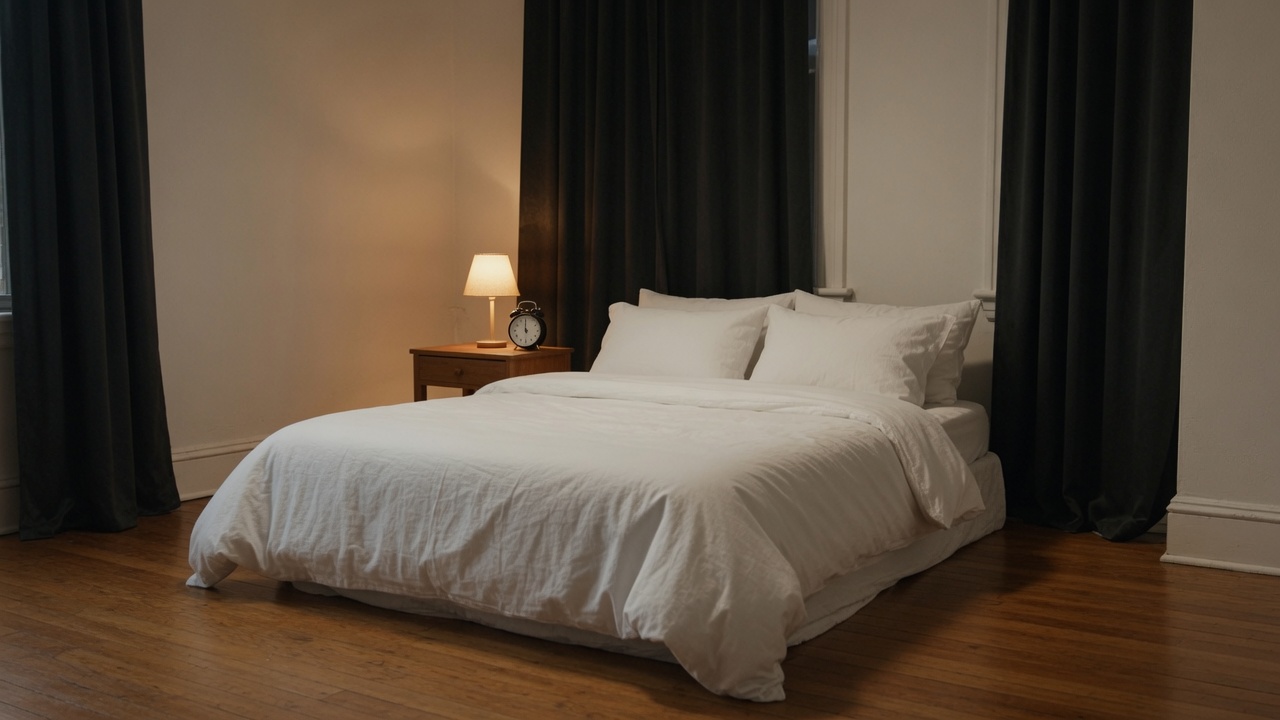
How to Sleep Better: The Science-Backed Guide That Actually Works
There is a version of sleep advice that has been recycled through wellness blogs for twenty years: don’t drink coffee after 2pm, keep your room cool, avoid screens before bed. These tips aren’t wrong. They’re also profoundly incomplete — the kind of advice that helps someone who sleeps reasonably well sleep slightly better, but does almost nothing for anyone with a genuine sleep problem.
This guide goes deeper. It covers the actual mechanisms that govern sleep quality — what adenosine and circadian rhythm and sleep pressure mean in practical terms — and translates that understanding into specific, evidence-based interventions ranked by how much impact they actually deliver.
Two caveats before starting: first, chronic insomnia is a clinical condition that responds best to Cognitive Behavioral Therapy for Insomnia (CBT-I), which is different from sleep hygiene and significantly more effective. If you’ve had difficulty sleeping for more than three months, a therapist trained in CBT-I is worth pursuing. Second, sleep disorders like sleep apnea require medical diagnosis and produce symptoms that no amount of behavioral change will fix.
For everyone else — people whose sleep is poor to mediocre and who want to make it substantially better — the following works.
The Two Systems You Need to Understand
Your body doesn’t have a single mechanism for controlling sleep. It has two, running in parallel, and understanding both changes how you approach sleep improvement.
System 1: Sleep Pressure (Adenosine)
Every hour you’re awake, your brain accumulates a chemical called adenosine. Think of it as a sleep debt register — it builds from the moment you wake up and creates what researchers call sleep pressure, the biological signal that makes you feel increasingly tired as the day progresses.
Adenosine is what caffeine blocks. Caffeine doesn’t create energy — it occupies the adenosine receptors in your brain, masking the tiredness signal. The adenosine is still there, still accumulating. This is why caffeine wears off with a crash rather than a gentle return to baseline.
When you sleep, adenosine clears. That’s what makes you feel genuinely refreshed after a good night — not just the rest, but the clearing of a chemical that had been accumulating for 16 hours.
System 2: Circadian Rhythm
Your circadian rhythm is a roughly 24-hour internal clock that regulates dozens of biological processes simultaneously — including when you feel alert, when your core body temperature drops, when certain hormones release, and when you feel sleepy.
This clock is primarily set by light. Morning light exposure — particularly within the first 30–60 minutes of waking — sends a strong signal to your circadian system that anchors your wake time. Evening light exposure, especially artificial blue light, delays the release of melatonin and pushes your sleep time later.
The practical insight: your circadian rhythm doesn’t just affect when you feel tired — it affects the quality of sleep you get at any given hour. Sleep at the wrong phase of your circadian cycle is lighter, less restorative, and produces less of the deep sleep and REM sleep that make sleep valuable.
The Hierarchy of Sleep Interventions
Not all sleep advice is equally impactful. Here’s the evidence-based ranking.
Tier 1: Structural Changes (Highest Impact)
Fix your wake time before your bedtime.
The counterintuitive truth about sleep schedules: a consistent wake time is more important than a consistent bedtime. Your bedtime will naturally stabilize once your wake time is anchored and your circadian rhythm has calibrated to it.
Choose a wake time you can maintain seven days a week — including weekends. Set an alarm. Get up when it goes off. Do this for two weeks without exception and you’ll notice your natural sleep timing begins to stabilize around it.
“Sleeping in” on weekends creates what sleep researchers call social jet lag — a misalignment between your circadian rhythm and your clock schedule that produces the same cognitive effects as flying across time zones. It’s why Monday mornings feel worse after a weekend of sleeping in.
Get bright light in the first hour after waking.
Go outside within 60 minutes of waking, even on cloudy days. Overcast outdoor light still delivers roughly 10,000 lux — dramatically more than indoor lighting and enough to trigger the circadian anchoring signal. If outdoor exposure isn’t possible, a bright light therapy lamp (10,000 lux, positioned correctly) is an effective substitute.
This is the highest-leverage, zero-cost sleep intervention available. Most people have never tried it and notice significant improvement within a week.
Set your room temperature between 65°F and 68°F (18°C–20°C).
Core body temperature drops 1–3 degrees in the lead-up to sleep and continues falling through the first part of the night. A cool room facilitates this drop. A warm room fights it.
If you run hot, a cooling mattress pad (Eight Sleep is the premium option; BedJet is a more affordable alternative) precisely regulates mattress temperature and is among the highest-reviewed sleep interventions by people who’ve actually used it long-term.
Tier 2: Behavioral Changes (High Impact)
Stop caffeine at least 8 hours before your intended bedtime.
This is later than most recommendations because it’s based on caffeine’s actual half-life of 5–7 hours, not a round-number estimate. The half-life means that half of the caffeine from a 2pm coffee is still circulating at 9pm. A quarter of it is still present at midnight.
For anyone who sleeps at 11pm: your last coffee should be before 3pm. For earlier sleepers, earlier still. If this conflicts with your current habits, fade it back by 30 minutes per week rather than cutting abruptly.
Create a wind-down period of 30–60 minutes before bed.
Sleep is not an on/off switch. The transition from wakefulness to sleep requires a reduction in cortisol, a drop in core body temperature, and a cessation of the high-arousal mental states that characterize work, conflict, or emotionally stimulating content.
A wind-down routine doesn’t have to be elaborate. Reading physical books, light stretching, a warm shower or bath (which paradoxically lowers body temperature through vasodilation as you exit), journaling, or quiet conversation all work. What consistently doesn’t work: emotionally charged television, checking work email, or engaging with social media arguments within an hour of bed.
Remove your phone from the bedroom.
This isn’t primarily about blue light — it’s about the behavior patterns the phone enables. Checking the phone in bed creates cognitive arousal (checking the news, reading messages, comparing feeds) that directly opposes the physiological process of falling asleep.
A separate alarm clock costs $15 and removes the most common justification for keeping the phone bedside.
Tier 3: Supplementation (Moderate Impact, Context-Dependent)
Magnesium glycinate or magnesium threonate: 200–400mg, 30–60 minutes before bed.
Magnesium plays a role in the regulation of GABA, the inhibitory neurotransmitter that promotes relaxation. Many people are mildly deficient, and supplementing produces meaningful subjective improvements in sleep quality and morning alertness. Glycinate is better tolerated than magnesium oxide; threonate has the best evidence for crossing the blood-brain barrier.
This is one of the few sleep supplements with reasonable evidence behind it. Avoid the many others.
Low-dose melatonin (0.5mg–1mg): timing is everything.
Melatonin is not a sedative — it’s a timing signal. It tells your circadian system that it’s evening. Used correctly (taken 1–2 hours before your target sleep time, not when you feel tired), low-dose melatonin can help shift your sleep timing earlier and ease jet lag recovery. The standard American OTC doses (5–10mg) are far higher than what research suggests is effective and can produce morning grogginess.
Tier 4: Sleep Tracking (Useful for Feedback, Not a Cure)
Wearable sleep trackers — the Oura Ring, Whoop, Apple Watch, Garmin watches — measure sleep stages and provide feedback on sleep quality metrics. The data isn’t perfectly accurate (all wearables overestimate light sleep and underestimate deep sleep to varying degrees), but the trend data is useful.
The primary benefit of tracking is behavioral: it creates accountability and helps you observe which of your habits correlates with better or worse sleep quality in your own body. The primary risk is orthosomnia — anxiety about sleep metrics that itself impairs sleep. If checking your sleep score first thing in the morning affects your mood for the day, step away from the tracker.
The Two-Week Protocol
Here’s a structured start:
Week 1 — Foundation: Set your wake time. Get outside within 60 minutes of waking every day. Move caffeine cutoff to 8 hours before bedtime. Remove phone from bedroom.
Week 2 — Refinement: Add a 30-minute wind-down routine. Set room temperature to 65–68°F. Start magnesium glycinate if you don’t already take it.
Evaluate at the end of week two. Most people who follow this protocol consistently report meaningful improvement — specifically in sleep onset time, middle-of-night waking, and morning energy — within that window.
What to Do When Nothing Works
If you’ve genuinely implemented the above for 4+ weeks without meaningful improvement, two pathways are worth exploring:
Rule out sleep apnea. Obstructed breathing during sleep is far more common than most people realize, affects people of all body types, and produces sleep quality so poor that no behavioral intervention compensates for it. A sleep study (now available as a home test through companies like WatchPAT) can diagnose it. CPAP therapy, when properly fitted and tolerated, is transformative.
Pursue CBT-I. Cognitive Behavioral Therapy for Insomnia has the strongest evidence base of any insomnia treatment — more effective than sleep medication in long-term studies, and the effects persist after treatment ends. The Sleepio app delivers a validated digital CBT-I program. A therapist trained in CBT-I is the gold standard.
Struggling to wind down after a stressful day? The companion to good sleep is stress management — read [How to Reduce Stress and Anxiety: Techniques That Have Real Evidence] for the approaches that work alongside what’s covered here.